
Add Virtual Reality to Your Life
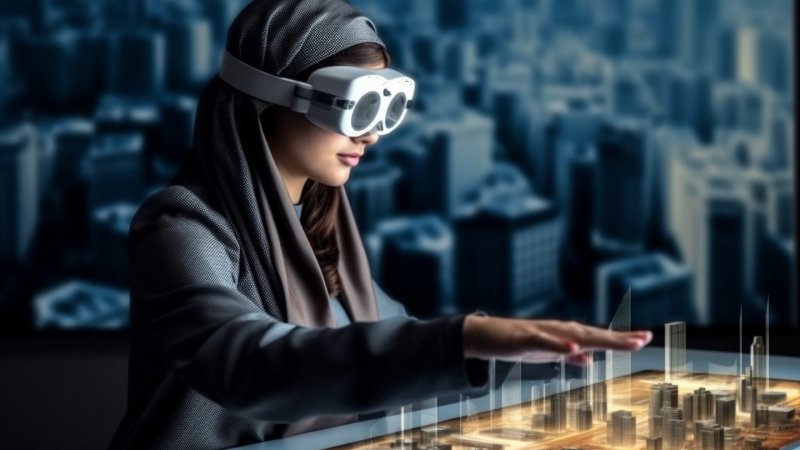
Have the Future in Your Hands . . .
Hyper Real is AR Technollogy for Daily Use


What is Hyper Real?
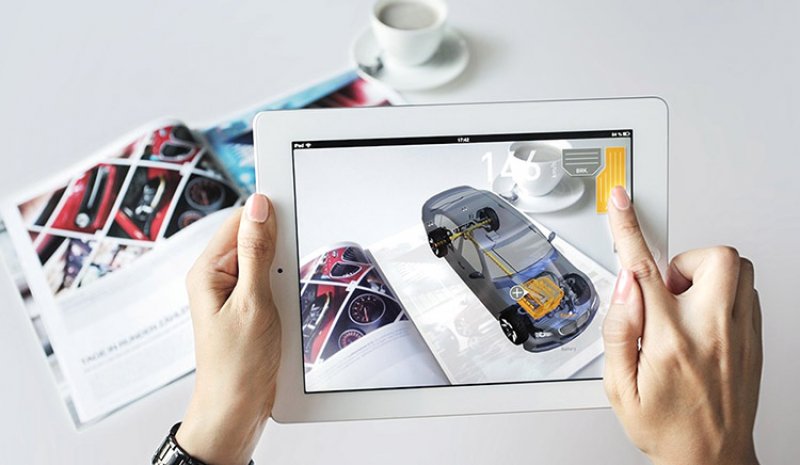
HyperReal is an AR (Augmented Reality) Video Wall on you Mobile Phones Screen
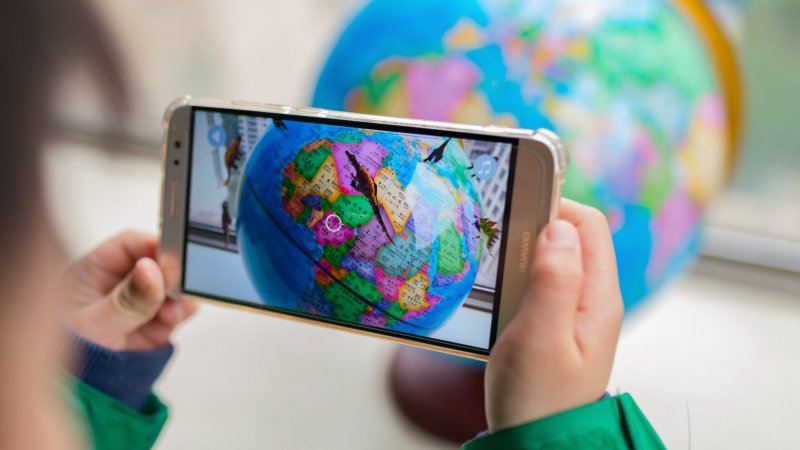
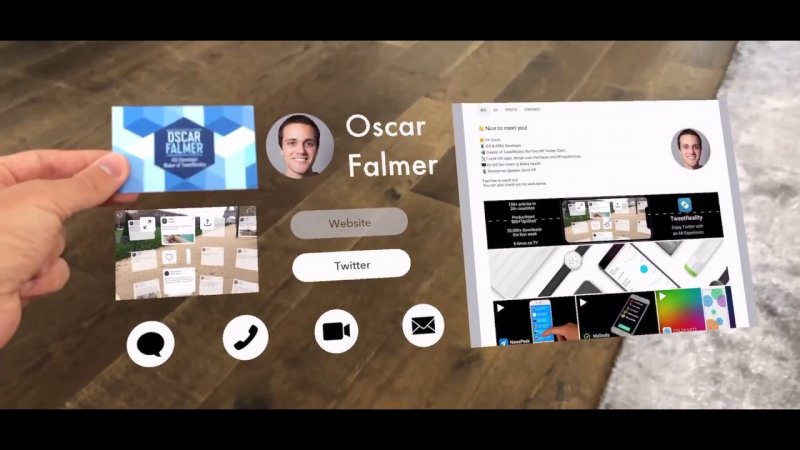
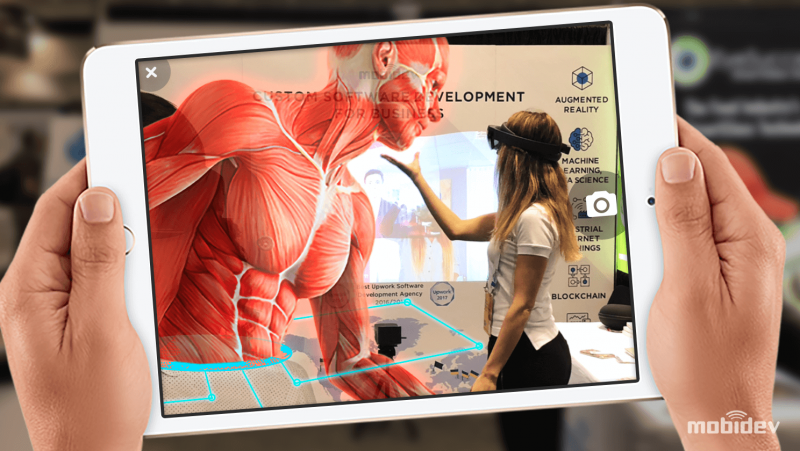
Why Augmented Reality?
HyperReal for Architects & Designers
Add VALUE to Your Projects
Design Visualization
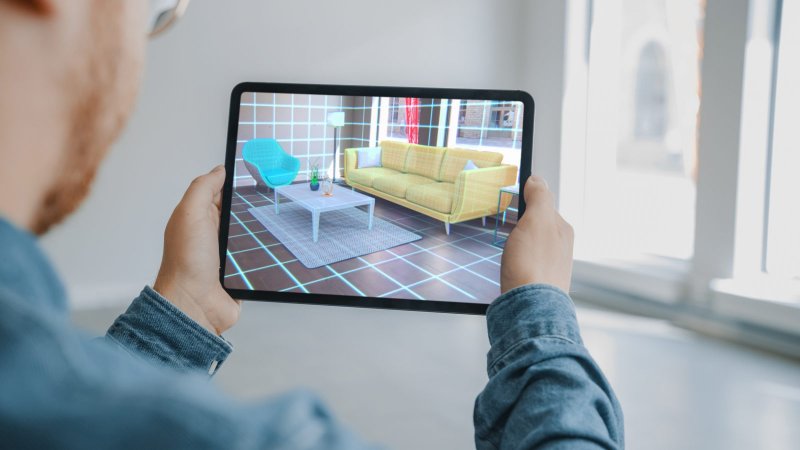
AR allows architects to bring their designs to life in a more immersive and interactive manner. Architects can use AR to superimpose virtual 3D models onto real-world environments, enabling clients and stakeholders to experience and understand the proposed designs more effectively. This enhances the communication of design intent and reduces misunderstandings.
Spatial Understanding
AR technology enables architects to visualize and analyze spatial relationships within a project. They can overlay digital models onto physical spaces, allowing them to assess scale, proportions, and spatial configurations more accurately. This helps architects make informed decisions during the design process and identify potential design issues before construction.
Real-Time Design Iteration
AR empowers architects to make real-time design changes and iterate on their designs rapidly. By using AR-enabled tools and software, architects can modify digital models on-site or during meetings, instantly visualizing the impact of design decisions. This agility enhances the design process, reduces the time spent on revisions, and fosters collaboration with clients and team members.
Contextual Site Analysis
AR enables architects to assess and analyze the site context more effectively. By overlaying digital data onto the physical environment, architects can understand site conditions, topography, and existing structures in real-time. This information helps in site planning, building orientation, and integration of design elements with the surroundings.
Enhanced Collaboration
AR facilitates collaboration among architects, designers, and stakeholders. By sharing AR experiences, multiple parties can visualize and discuss design concepts together, irrespective of their physical location. This fosters better communication, reduces misunderstandings, and aligns stakeholders' expectations more effectively.
Virtual Mockups and Simulations
AR allows architects to create virtual mockups and simulations of their designs. They can use AR to generate walkthroughs, simulate natural lighting conditions, and test different materials and finishes virtually. This helps in evaluating design alternatives, identifying potential issues, and refining the design before actual construction, leading to cost and time savings.
Construction and On-Site Assistance
AR can support architects during the construction phase. By overlaying digital models onto the construction site, architects can verify that the built elements align with the design intent, reducing errors and rework. AR can also provide on-site guidance by overlaying step-by-step instructions or highlighting specific construction details, improving efficiency and accuracy on the job site.
Client Engagement and Presentation
AR enhances architects' ability to engage and impress clients by delivering captivating and immersive presentations. Architects can showcase their designs through AR visualizations, allowing clients to explore and experience the project in a more interactive and engaging manner. This helps in conveying design ideas, building trust, and securing client approvals.
HyperReal for Properties & Real Estate
Test different arrangements, styles and materials for your ideas . . . See this Video
HyperReal For Real Estates
HyperReal Features for Architects - Unique Advertisement - Showcase of The Projects Virtual Gifts Over the Project - Add Video to the Wall or Any Subject in your Space - Augmenting Video / Data onto your Projects - Instruction or Explanation of the Project
لینکهای مفید
Hyper Real for Real EstatesHyper Real for Business
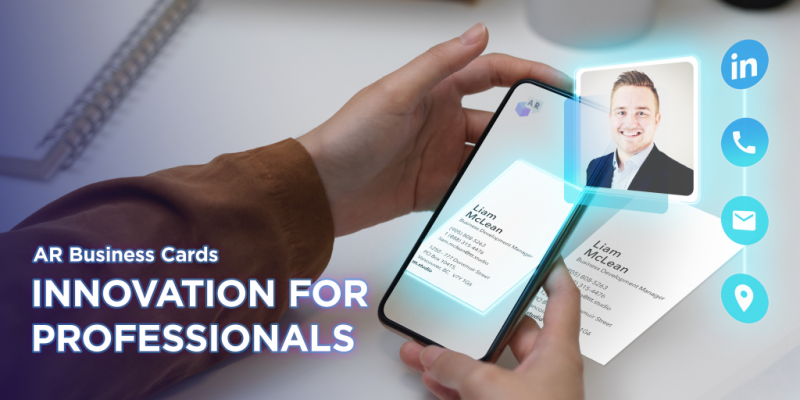

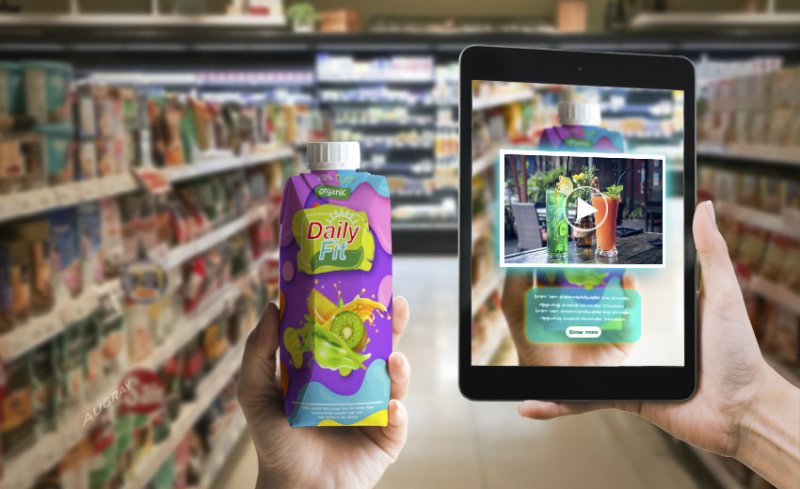
Hyper Real for - Branding - Interactive Advertisement - Showcase - Demo / Instruction on Products - Packaging - High Tech Gifts - Business Cards - Catalogs
Add Value to You Business today
Augmented Reality is Use by • Hostels • Architects • Photographers • Travel agencies • Local marine businesses (boats, diving, tourism) • Interior designers • Homeowners looking to rent or sell their property • Car rental businesses • Individual customers
Brands Using AR

Brands that use AR

Brands that use AR

Brands that use AR

Brands that use AR
Brands that use AR

Brands that use AR
Brands that use AR
HYperReal For Organizations
Education and Training Daily Update Etc.
Hyper Real for Advertising Agencies
Hyperreal Provides Unique Competitive Advantage for Agencies Including - Unique Features of Adding 3D & Virtual Items to traditional Packaging, Gits, Catalogs, Etc. - Multisensory Engagement of the Customers Add Life to traditional Advertising by Adding HyperReal to - Box and Packages, - Catalogue, - Brochures, - Flyers, - Business Cards, - High Technology Gifts- Notopia - Unlimited Options for Additional Creativity Watvh this Video
For Product Developers
Add Virtual Reality to Your Products Tell Your Brand Story Get out of the Boundaries
Unleash the Unlimited Creativity
HyperReal for Photographers
- Invaluable Gift to Customers - More Engagement of the Customer - Video Virtual Photo Albums - Create Long Lasting Unique Memory - Surprising Gifts
HyperReal for Bloggers
- Create Unique WhatsApp Statuses - Instagram and Facebook Poste - Help You Shine in Advertise and Driving Attention
FAQ
What is AR?
Augmented reality is cost-effective and accurate The current times have witnessed a spike in the usage of augmented reality in all industries to a great extent. But previously augmented reality was only used in games and entertainment sectors. But now has been extensively used in all sectors for its potential making things better for businesses to the healthcare industries. Here are the top industries using augmented reality in 2021. Also read TOP 10 INNOVATIVE AUGMENTED REALITY STARTUPS TO CHECK OUT IN 2021 5 TRENDS OF AUGMENTED REALITY IN COMMUNICATION Manufacturing The manufacturing industry is a huge set that needs precise and accurate decisions for effective processes. But these complex tasks for better decision making can be taken using augmented reality technology and empowerment of the workforce with the help of remote support. Through this remote support, the instructors are capable of giving instructions to the site workers while encouraging issues concerning machines and the industry. Manufacturing is one of the top industries using augmented reality in 2021 to reduce machine downtime and cutting down costs of the solutions. Healthcare Healthcare is also utilizing augmented reality for several purposes such as improving the education for the medical staff and patients, helps in understanding the anatomy and body functions in detail, and formulates 3D models for learning proposes. It is also used by surgeons to enable the modelling of a three-dimensional representation of patients’ autonomy. The augmented reality in the healthcare sector is making the visualization process easy and accurate. Education Education is a sector where innovation is of great help since the learning processes are traditional. Augmented reality can engage students and staff making the learning process a fun-filled experience. This technology gives the teachers an opportunity to showcase real situations using 3D modelling making the teaching process interesting. With the covid-19 pandemic’s hit, education is one of the industries using augmented reality to its full potential. Mining Mining is a sensitive sector where the machinery and the working environment becomes vital for other processes to take place. With the help of augmented reality, the centre experts can inspect from far away or virtually all the machines along with their surroundings. Mining is one of the top industries using augmented reality in 2021 for monitoring the dangerous processes and ensuring the worker’s safety. Maritime Maritime is one of the industries using augmented reality to a great extent. The maritime industry takes the help of augmented reality in overcoming the challenges of maintenance, remote assistance, workforce training, and inspections. Since training of the employees operating offshore is important and this can be done using augmented reality for remote assistance, providing real-time training, and dealing with complex issues. Insurance The insurance industry is a space of complex and unexpected processes and so immediate customer support plays a critical role in this industry. Since the agents are also required to visit the place in terms of vehicle damage or property the augmented reality is making things simpler for agents in attending issues remotely. This can reduce time as well as cost and can be an effective and quicker process. And so the insurance sector becomes one of the top industries using augmented reality in 2021 by making agents virtually closer to the customers. Travel Travel is one of the industries using augmented reality in 2021 and coming up with many innovations. With the help of augmented reality, the tourist can experience 360-degree tours that are easily accessible giving them an opportunity to virtually explore the places before visiting them. This can be an added value to travel agencies, hotels, and restaurants in attracting their customers.
Is AR defferent than VR?
AR, VR, and MR are all technologies that involve computer-generated images, but they differ in the way they present these images and how users interact with them. AR, or augmented reality, involves overlaying digital information onto the real world. This can be achieved through a variety of methods, such as through a smartphone or tablet screen, or through specialized glasses or headsets. With AR, users can see and interact with virtual objects in the real world, enhancing their perception of reality. Examples of AR technology include the popular mobile game Pokémon Go and Snapchat filters. VR, or virtual reality, immerses users in a completely virtual environment. VR headsets completely block out the real world and replace it with a computer-generated environment. This technology can be used for gaming, simulation training, and even therapeutic purposes, such as treating phobias. MR, or mixed reality, combines aspects of both AR and VR. With MR, digital objects are placed into the real world, but they appear to interact with it in a more seamless way than with AR. MR can also involve overlaying digital information onto physical objects, such as a user’s hand, so that they can interact with the virtual objects in a more natural way. Microsoft’s HoloLens is an example of MR technology. In summary, AR overlays digital information onto the real world, VR immerses users in a completely virtual environment, and MR combines aspects of both AR and VR to create a hybrid experience.
Social Media
Add a new dimension to Your Business with HyperReal
Now
Contact Us